Samsung Note7 stands as a pivotal moment in smartphone history, captivating users with its innovative features and sleek design. Released amid great anticipation, it introduced groundbreaking specifications and the beloved S Pen functionality, setting a high bar for its successors. However, its legacy became marred by a series of unfortunate events that led to a worldwide recall and significant shifts in industry safety standards.


The journey of the Samsung Note7 provides a fascinating lens through which we can examine not only the evolution of smartphone technology but also the critical importance of product safety and consumer trust in a rapidly evolving market.
History of Samsung Note7
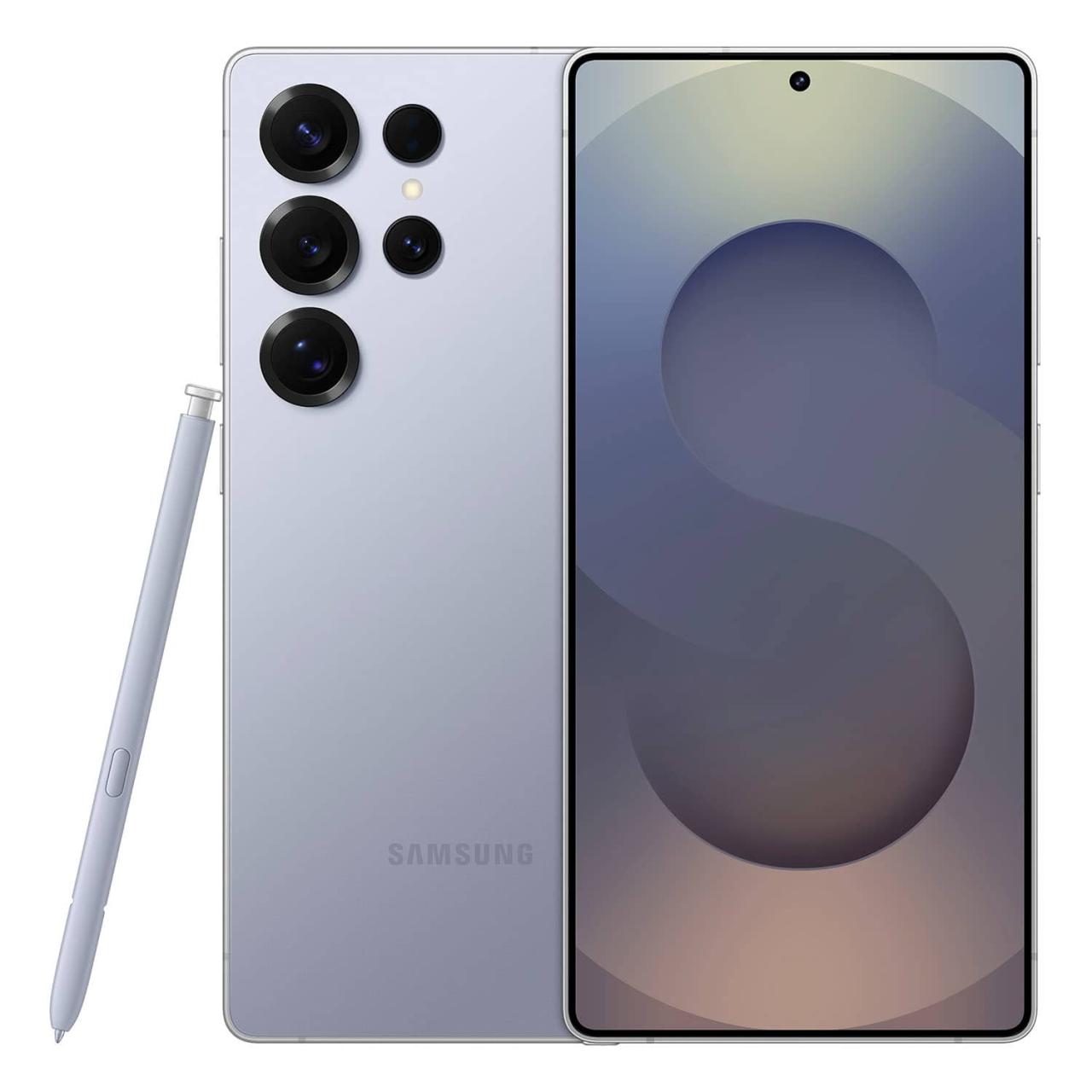
The Samsung Note7, released in August 2016, marked a pivotal moment in the smartphone industry, combining innovative design with advanced technology. However, despite its initial excitement and high expectations, the device became infamous due to safety concerns that ultimately led to its discontinuation. This narrative encapsulates the journey of the Note7 from development to its untimely end.
The development of the Samsung Note7 was a culmination of Samsung’s commitment to enhancing the Note series while integrating features that appealed to both business and casual users. The Note7 was designed with a refined look, featuring a sleek glass and metal body that set it apart from its predecessors. The introduction of the dual-edge display, similar to the Galaxy S7 Edge, allowed for a more immersive visual experience and a unique aesthetic. Key specifications included a 5.7-inch Super AMOLED display, an upgraded S Pen with enhanced functionalities, and IP68 water and dust resistance.
Timeline of Development and Release
Samsung’s approach to the Note7 was meticulous, with a timeline that showcased their relentless pursuit of innovation. The following key milestones illustrate the significant events leading to its release:
- 2015: Conceptualization and initial design discussions begin post the successful launch of the Galaxy Note5.
- February 2016: Hints of the Note7’s launch emerge during various tech expos, generating buzz within the industry.
- August 2, 2016: Official announcement of the Note7 at Samsung’s Unpacked event, highlighting its features and design.
- August 19, 2016: The device goes on sale in select markets, experiencing strong initial demand.
However, the excitement surrounding the Note7 soon turned to concern. Shortly after its release, reports began to surface regarding the device’s battery overheating and, in some cases, catching fire.
Events Leading to Recall and Discontinuation
The issues with the Note7 were alarming, prompting swift action from Samsung. The recall process was unprecedented in the company’s history, as it faced immense pressure to ensure customer safety.
- September 2016: Samsung announces the voluntary recall of 2.5 million units after receiving reports of battery malfunctions.
- September 15, 2016: Customers are urged to power down their devices and return them for replacement, with assurances of safety and quality checks.
- October 2016: Despite the recall, reports of replacement devices catching fire emerge, leading Samsung to halt production.
- October 11, 2016: Samsung officially announces the discontinuation of the Note7, advising users to power down their devices and return them.
The consequences of the Note7’s recall were profound, affecting Samsung’s reputation and leading to significant financial losses. The incident prompted the company to re-evaluate its battery safety protocols, ultimately reshaping its future product development strategies.
The Samsung Note7 serves as a crucial case study in consumer safety and corporate responsibility within the tech industry.
Technical Specifications of Samsung Note7
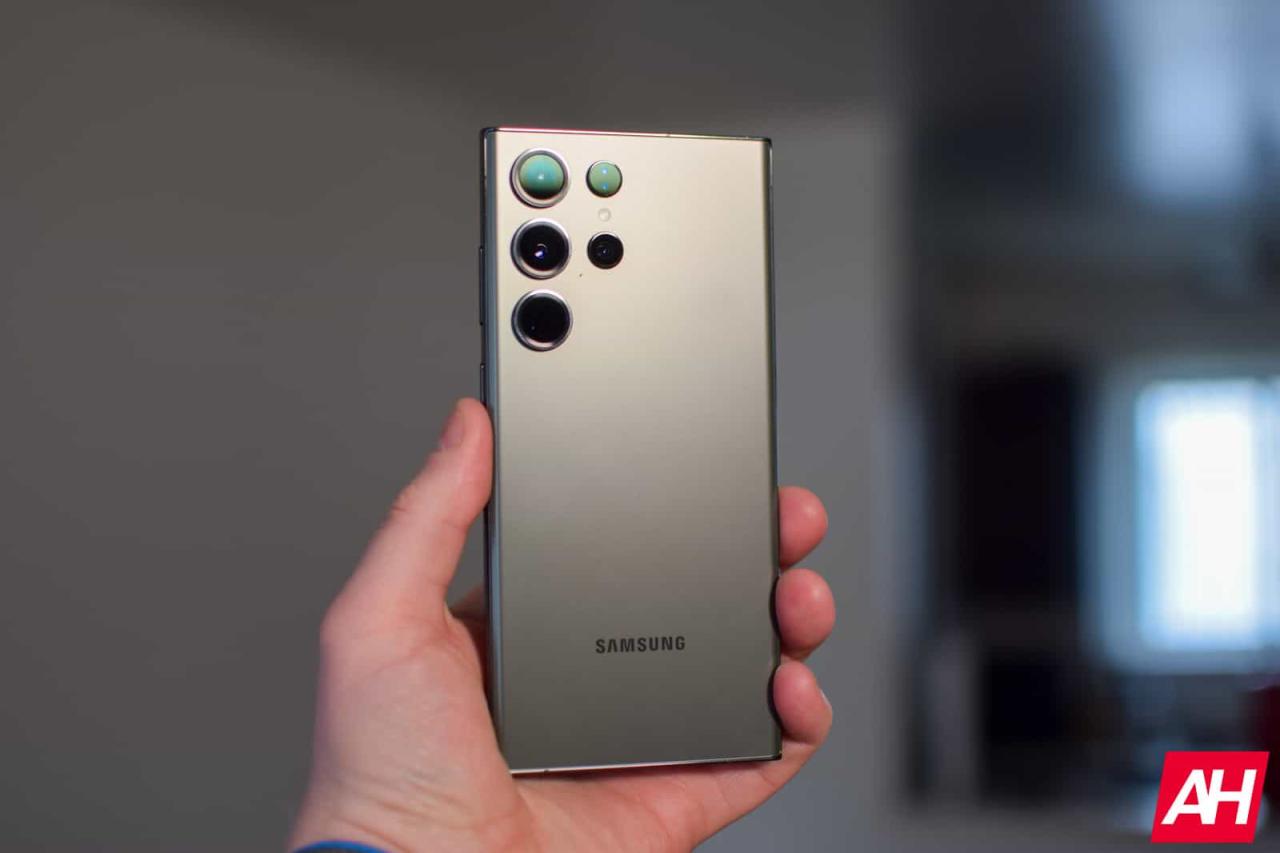
The Samsung Galaxy Note7 was launched as a premium device in 2016, equipped with cutting-edge technology and features that set it apart from its competitors. Its combination of high-end hardware and innovative software made it a notable entry in the flagship smartphone market.
One of the key aspects of the Note7 is its robust technical specifications, which combine powerful performance with advanced functionality. Below is a detailed overview of its hardware and software components, as well as a comparison with other flagship smartphones from the same year.
Hardware Specifications
The Samsung Note7 is built with high-quality components that ensure fast performance and smooth multitasking. Here are its key hardware specifications:
- Processor: Qualcomm Snapdragon 820 or Samsung Exynos 8890 (depending on the region)
- RAM: 4 GB
- Storage: 64 GB internal, expandable via microSD up to 256 GB
- Display: 5.7-inch Quad HD Super AMOLED (1440 x 2560 pixels)
- Battery: 3,500 mAh with fast charging (wired and wireless)
- Camera: Rear: 12 MP with dual pixel technology; Front: 5 MP
- Operating System: Android 6.0.1 (Marshmallow), upgradable to later versions
The Note7’s processor ensures that it can handle demanding applications and tasks seamlessly, while the ample RAM supports smooth multitasking capabilities. Its Super AMOLED display offers vibrant colors and deep contrasts, providing an immersive viewing experience.
Unique Features
The Samsung Note7 includes several unique features that enhance its usability and differentiate it from other smartphones. Among these is the S Pen stylus, which adds a layer of functionality that appeals to professionals and creatives alike.
The S Pen offers precision and ease of use, enabling users to take notes, draw, and interact with the device in ways that standard touchscreens cannot replicate. Notable capabilities of the S Pen include:
- Air Command: Quick access to useful tools like Screen Write and Smart Select.
- Screen Off Memo: Ability to jot down notes directly on the screen while the device is asleep.
- Translate and Magnify: Translate text or magnify sections of the screen with a simple touch.
These features emphasize the Note7’s position as a productivity tool, making it ideal for users who require advanced note-taking and drawing capabilities.
Display Technology
The Note7 features a stunning 5.7-inch Quad HD Super AMOLED display, known for its exceptional clarity and vivid colors. The display technology used in the Note7 is significant for several reasons:
- Resolution: With a resolution of 1440 x 2560 pixels, the screen yields a pixel density of approximately 518 ppi, ensuring sharp and detailed images.
- Color Accuracy: The Super AMOLED technology allows for deep blacks and vibrant colors, greatly enhancing multimedia consumption.
- Curved Edge Design: The dual-edge display provides an immersive experience and allows for additional functionality with edge panel features.
This combination of high resolution and innovative design contributes to an outstanding visual experience, making the Note7 ideal for watching videos, gaming, and performing multimedia tasks.
Comparison with Other Flagships
When comparing the Samsung Note7 with other flagship smartphones released in 2016, such as the iPhone 7 Plus and Google Pixel, several differences in specifications and features emerge.
| Feature | Samsung Note7 | iPhone 7 Plus | Google Pixel |
|---|---|---|---|
| Processor | Snapdragon 820 / Exynos 8890 | A10 Fusion | Snapdragon 821 |
| RAM | 4 GB | 3 GB | 4 GB |
| Display | 5.7″ Quad HD Super AMOLED | 5.5″ Full HD Retina | 5.0″ Full HD AMOLED |
| Camera | 12 MP Rear, 5 MP Front | 12 MP Rear, 7 MP Front | 12.3 MP Rear, 8 MP Front |
| Battery | 3,500 mAh | 2,900 mAh | 2,770 mAh |
In conclusion, the Samsung Note7 stands out for its combination of high performance, innovative features like the S Pen, and an impressive display. Its specifications place it among the top contenders in the 2016 flagship smartphone market, appealing to a wide range of users from professionals to tech enthusiasts.
Impact of Samsung Note7 on the Smartphone Industry
The Samsung Note7 incident marked a pivotal moment in the smartphone industry, showcasing the potential repercussions of product safety issues on brand reputation and consumer trust. The recall of the Note7 due to battery failures not only affected Samsung but also sent shockwaves through the entire tech landscape, prompting manufacturers and consumers to reassess their priorities regarding safety and reliability.
Immediate Effects on Samsung’s Brand Reputation
The Note7 recall had a profound and immediate impact on Samsung’s brand reputation. Once regarded as a leader in innovation and quality, the company faced significant criticism and scrutiny following the recall. The events unfolded rapidly, leading to a loss of consumer confidence as reports of devices catching fire became widespread. Samsung’s response, which included halting production and issuing a global recall, aimed to contain the damage but also highlighted vulnerabilities in the company’s quality control processes.
Samsung’s reputation as a trusted brand took a significant hit, affecting its market position and customer loyalty.
Long-term Consequences for Product Safety Standards
The Note7 incident has had lasting effects on product safety standards within the smartphone industry. In the aftermath, regulatory bodies and manufacturers began to implement stricter safety protocols to prevent similar occurrences. Industry-wide changes included enhanced testing procedures for battery safety, increased transparency in manufacturing processes, and a stronger emphasis on accountability among mobile device producers.
The Note7 incident prompted a shift towards more rigorous safety standards, impacting how future devices are developed and tested.
Influence on Consumer Behavior and Purchasing Decisions, Samsung note7
The repercussions of the Note7 recall also significantly influenced consumer behavior and purchasing decisions. As awareness of the incident spread, consumers became more cautious about purchasing devices from brands that had previously been perceived as reliable. This increased scrutiny led to a shift in focus towards safety features, with consumers actively seeking information about product recalls and manufacturing practices before making purchases.
Manufacturers now face a more educated consumer base that prioritizes safety and reliability over brand loyalty. The Note7 incident served as a wake-up call, encouraging consumers to value transparency and safety in their device choices, which has become a standard expectation in the industry.
Today’s consumers are more informed, making safety a top priority in their purchasing decisions.
Lessons Learned from the Samsung Note7 Incident
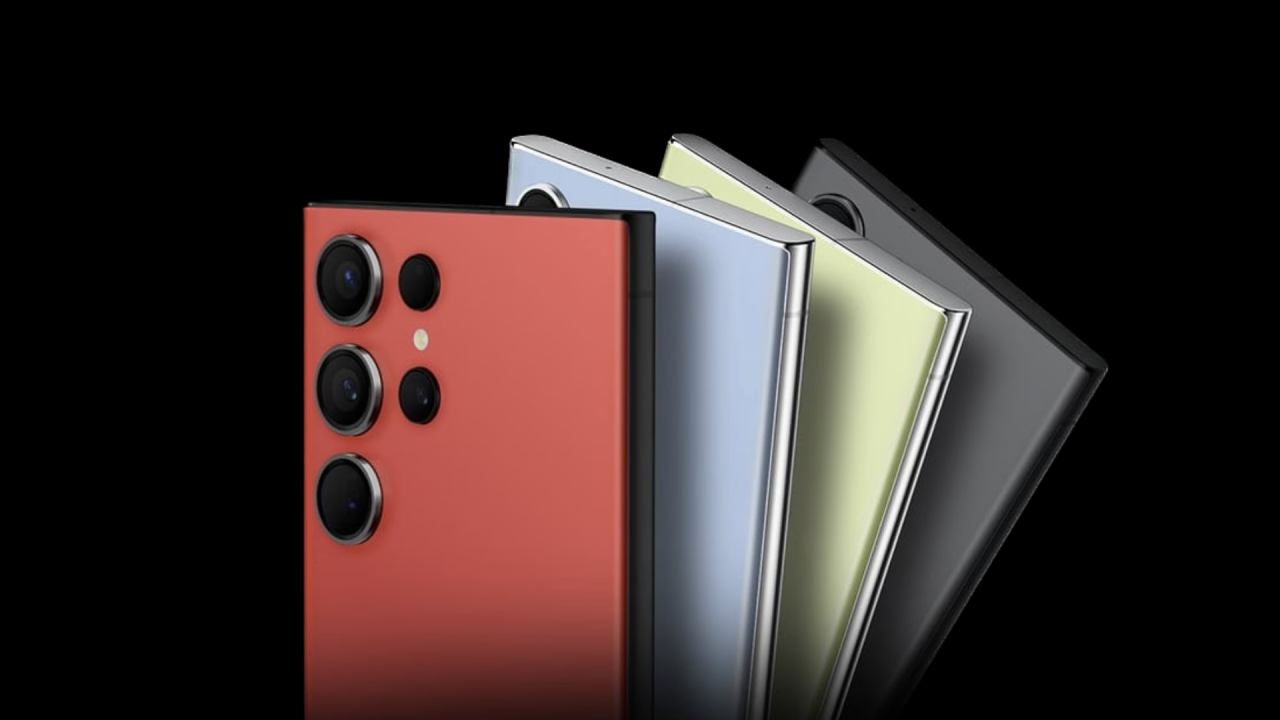
The Samsung Note7 incident serves as a critical case study in product safety and corporate responsibility. The issues surrounding this smartphone, which included battery malfunction and overheating, led to widespread recalls and significant financial repercussions for the company. In response to these challenges, Samsung has since implemented extensive safety protocols aimed at restoring consumer trust and improving product quality.
Post-Note7 Safety Protocols
In the wake of the Note7 crisis, Samsung undertook a comprehensive review of its safety policies and product development processes. The company established a new set of safety protocols designed to prevent similar incidents in the future. Key initiatives included:
- 8-Point Battery Safety Check: To ensure battery reliability, Samsung developed an extensive examination process that includes testing for abnormal heat, voltage, and capacity.
- Collaboration with External Experts: Samsung consulted with independent organizations and industry experts to enhance their safety assessments and protocols.
- Improved Quality Control Processes: An overhaul of the quality assurance checks throughout the manufacturing chain was initiated, focusing on identifying potential defects earlier in the process.
- Battery Design Changes: The company redesigned its battery chemistry and structure to enhance safety and reduce risks associated with overheating.
Comparison of Safety Measures
To illustrate the evolution of safety measures, the following table compares the safety protocols implemented for the Note7 against those utilized in later Samsung models, such as the Galaxy S8 and Galaxy Note8:
| Safety Measure | Samsung Note7 | Galaxy S8/Note8 |
|---|---|---|
| Battery Testing Procedures | Standard testing | 8-Point Battery Safety Check |
| External Consultations | Minimal | Regular collaboration with experts |
| Design Adjustments | None | Structural battery redesign |
| Quality Control | Basic QA checks | Enhanced QA processes with real-time monitoring |
Evolving Approach to Product Quality
Post-Note7, Samsung’s approach to product quality has shifted significantly, emphasizing safety and customer satisfaction. The company has adopted a consumer-centric philosophy, prioritizing user feedback and safety beyond traditional metrics of performance and design. Key developments include:
- Increased Transparency: Samsung has committed to being more transparent about their product testing and safety processes, providing consumers with detailed information regarding their devices.
- Consumer Education Programs: The company launched initiatives aimed at educating consumers about battery safety and device usage to minimize risks.
- Reinforced Brand Trust: Through proactive engagement with customers and swift responses to issues, Samsung has worked diligently to rebuild its brand image and regain the trust of its user base.
Through the lessons learned from the Note7 incident, Samsung has not only enhanced its safety measures but has also embedded a culture of quality that is now critical to its corporate identity.
Question Bank
What was the main reason for the Samsung Note7 recall?
The main reason for the Samsung Note7 recall was the risk of battery explosions due to manufacturing defects.
When was the Samsung Note7 released?
The Samsung Note7 was officially released on August 19, 2016.
What unique features did the Samsung Note7 offer?
The Samsung Note7 featured an S Pen, waterproof design, and an Infinity Display, enhancing user experience dramatically.
How did the Note7 recall affect Samsung’s brand reputation?
The Note7 recall significantly damaged Samsung’s brand reputation, leading to decreased consumer trust and increased scrutiny on product safety.
What safety measures did Samsung implement after the Note7 incident?
Samsung implemented enhanced safety protocols, including more rigorous battery testing and increased quality control measures in subsequent models.
The Samsung Galaxy S II was a game-changer in the smartphone market, offering sleek design and powerful features for its time. This device set the stage for future innovations within the Galaxy lineup, showcasing what users can expect from Samsung’s commitment to excellence. As we look at the latest models, such as the Galaxy S11, its legacy continues to influence smartphone design.
When discussing the evolution of smartphones, the Samsung Galaxy S11 stands out with its impressive camera capabilities and vibrant display. This flagship model reflects how far technology has come since the Galaxy S II, pushing boundaries in mobile photography and performance. For enthusiasts, the advancements in the S11 highlight Samsung’s ongoing pursuit of innovation in the competitive smartphone landscape.